September 30, 2026 · 7 minutes · Rafael Caldeira
How to Make an AI-Created Book Sound Like You | EbookGPT
Learn how to turn an AI-created draft into a book with your own voice, real examples, clear opinions, rhythm and editorial choices that represent you.

An AI-created book sounds like you when the tool speeds up structure and drafts while you determine the thesis, choose lived experiences, test every example, and rewrite until you recognize your thinking. Technology can organize material; identity comes from the human decisions that remain on the page.
Your author brand is not an adjective added to a prompt: it is the consistent set of ideas, words, rhythms, boundaries, and stories you sustain throughout the book.
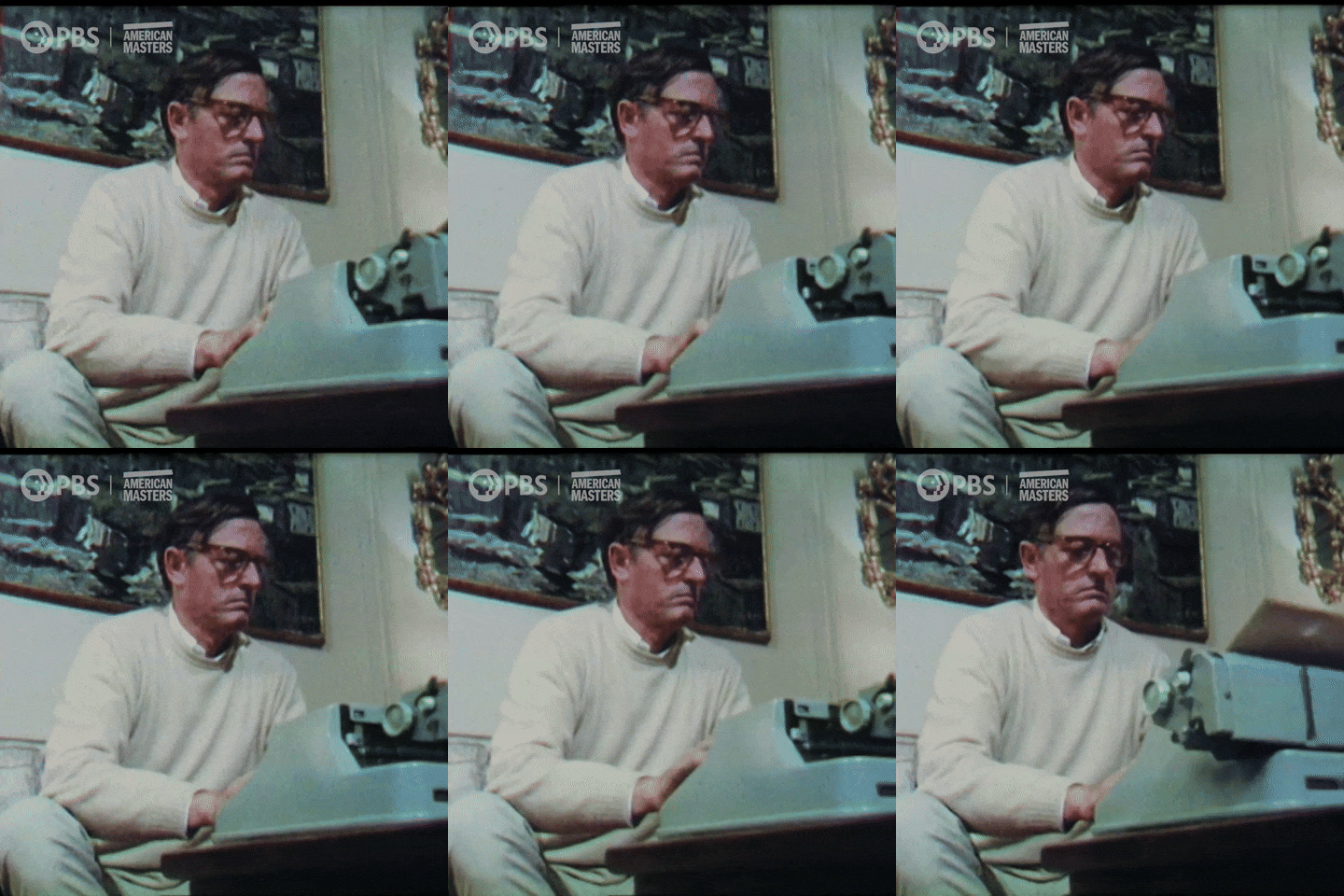
Writing with technological support still requires line-by-line decisions;
Author voice starts before the first draft
Before requesting an outline, write a one-page position statement. What problem does the book solve? What do you believe about that problem that would not fit into a generic manual? Which popular advice would you reject, and why? Those answers form the editorial thesis. Without them, AI tends to produce an orderly but interchangeable sequence of explanations.
Turn that position into observable criteria. Define whom you are addressing, what degree of formality suits that reader, which terms you use naturally, and which ones you avoid. Tone also emerges through verbs, intent, and context: “try,” “compare,” and “decide” create a different relationship from “you must” or “this is guaranteed.” A compact communication guide keeps these choices stable between chapters.
Bring your own raw material into the process: notes, lessons, client answers, mistakes, recurring phrases, and previously published passages. These samples are not an instruction to mechanically imitate a style. They help you identify patterns you can consciously approve: short or winding sentences, dry humor or warmth, technical or everyday analogies, recurring questions, and characteristic ways of ending an argument.
Work block by block. Discuss a chapter’s job first, evaluate its skeleton next, and only then develop one section. This makes criticism manageable, reduces contradictions, and prevents a complete draft from imposing a direction you never chose. It also follows Hotmart’s guidance to co-create in blocks, provide samples of your writing, conduct a final review, and fact-check the result.
If any author in the same field could sign the paragraph without surprising the reader, the passage still needs a decision only you would make.
A qualitative map of author identity
| Item | Value |
|---|---|
| Thesis and point of view | High |
| Lived experience and real cases | High |
| Vocabulary and analogies | High |
| Rhythm and structure | Medium to high |
| Automatic formatting | Low |
Note: these values are qualitative and illustrative; they are not scientific measurements or guarantees of originality.
How to edit a draft until it sounds like you
Authorial editing is not a synonym swap. It asks whether the architecture of the argument reflects your mind. Give each section a job: introduce a tension, explain a cause, demonstrate through a case, or guide a decision. When two paragraphs perform the same job, combine or cut them. When a claim sounds suspiciously complete, add the condition, exception, or consequence that your experience has taught you.
Use this process for every chapter:
- State the thesis in your own words. Write two or three sentences without looking at the draft, then compare versions. Keep what best expresses your position, not what sounds most impressive.
- Add a verifiable experience. Describe the context, choice, outcome, and lesson without inventing details. If you lack a personal case, clearly label a hypothetical example as hypothetical.
- Replace abstractions with scenes. Instead of “improve productivity,” show the decision a reader will make on a Tuesday while facing an unfinished file or a short deadline.
- Build analogies from your own repertoire. Cooking, music, engineering, or teaching can explain the same principle, but your selection reveals where you stand when you observe the world.
- Tune the rhythm aloud. Mark overloaded sentences, accidental repetitions, and synthetic transitions. Keep repetition only when it creates deliberate emphasis.
- Name the boundaries. Explain where the method fails, what information is missing, and when the reader should seek professional help. Boundaries create accuracy rather than weakness.
- Check facts at their source. Verify dates, platform rules, quotations, and technical concepts. Fluent prose is not evidence that a statement is true.
- Read once without AI. Ask whether you would defend every sentence in public and whether the chapter respects the reader. Remove generic instructions and promises you cannot support.

Rearranging editorial pieces is different from polishing sentences: authorship becomes visible in composition decisions.
The useful test is not “does this sound human?” but “does this passage contain an intellectual choice, lived experience, or explanation I recognize as mine?”.
A prompt does not transfer responsibility
You remain responsible for facts, rights, privacy, platform policies, and every passage you choose to place in front of the reader.
It also helps to separate three issues that are often mixed together. Amazon KDP requires disclosure of AI-generated text, images, and translations, and content remains AI-generated even after substantial editing. Ideas brainstormed with AI and then written by the human, or human-created material merely refined, corrected, or checked by AI, count as AI-assisted and do not require disclosure to KDP. Either way, the author remains responsible for rights and compliance.
Copyright requires a different analysis. In the United States, the Copyright Office says copyright protects human-created expression and sufficiently creative human arrangements or modifications. Purely AI-generated material, or material produced without enough human control, is not protected; prompting alone is generally insufficient. The assessment is case-specific, applies to U.S. guidance, and is not legal advice.
Your signature lives in the decisions
A fast process can still be deliberate. Pick one chapter and make a brief containing the thesis, intended reader, three experiences, five preferred words, five avoided words, two analogies, and one boundary of the method. Generate or reorganize only that chapter’s skeleton, revise it block by block, and compare the result with the brief. The next step is not to request “more personality”; it is to make one visible editorial decision in every section.
After publishing
- Use a direct title and description that answer the reader’s question without promising outcomes.
- Review headings, alternative text, and links so readers and search systems can understand the structure.
- Turn one lived experience from the book into an article, video, or newsletter while preserving the thesis across formats.
- Update facts and platform rules when they change, and record review dates in your editorial log.
- Use genuine reader questions to repair explanations, not to manufacture authority.